10 Essential Tips for Professional Pizza and Pasta Creation
Are you ready to elevate your home cooking game? Pizza and pasta, two culinary staples, can transport you to a world of flavor and satisfaction. But what truly separates a good dish from a great one? The answer lies in the details, from the quality of ingredients to the mastery of techniques.
This article will explore the fundamental techniques and flavor profiles that define exceptional pizza and pasta, from selecting the perfect ingredients to mastering the art of dough-making and sauce-crafting.
1. Use High-Quality Ingredients
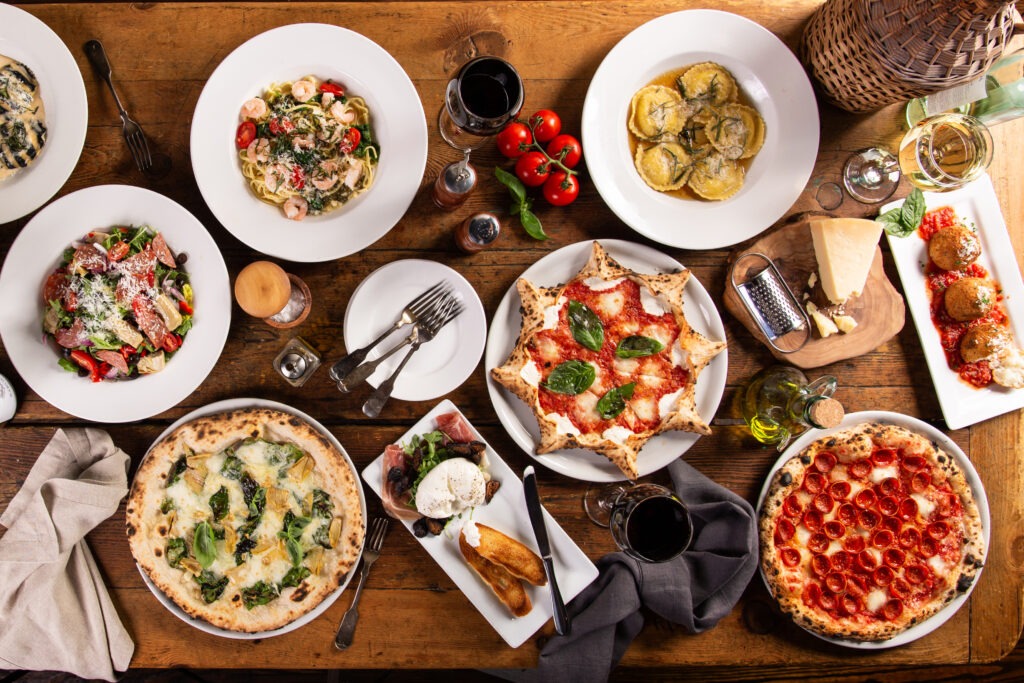
The key to any outstanding pizza or pasta dish is using top-notch ingredients. For pizza, this means selecting fresh mozzarella with a creamy texture, authentic San Marzano tomatoes for a naturally sweet and tangy sauce, and premium flour for your dough. Pasta benefits from semolina flour, which imparts a hearty texture and flavor.
Fresh vegetables, herbs, and meats should also be prioritized; they will enhance the authenticity and depth of your dishes. Exploring professional recipes can guide your ingredient choices and techniques, ensuring your creations reflect the highest standards.
2. Perfect Your Dough
The dough is the heart of any pizza, and the right dough ensures a silky and smooth finish for pasta. To achieve pizza dough perfection, flour, water, yeast, and salt must be carefully balanced. Allow the dough to ferment for at least 24 hours; this slow fermentation process develops a complex flavor and creates a chewy yet airy texture. For pasta, mastering the dough’s consistency involves kneading it until it is smooth and elastic. A pasta roller is a worthy investment to ensure uniform thickness and a professional appearance.
3. Balance the Sauce
A well-crafted sauce is essential for both pizza and pasta. For pizza, a simple sauce made from San Marzano tomatoes, olive oil, and a hint of garlic or basil is enough to complement the crust without overshadowing it. For pasta, each type of sauce has its own rules. A creamy Alfredo sauce should be velvety and rich without cloying, while a classic marinara should be tangy yet balanced with sweetness from ripe tomatoes. The key is to enhance the dish rather than drown it in excessive or mismatched flavors.
4. Mind Your Cooking Techniques
Precision cooking techniques can make or break your dish. When boiling pasta, generously salt the water as the only chance to infuse it with flavor. Ensure the pasta is cooked al dente for the best texture, as it will hold its shape and soak up the sauce beautifully. Preheating your oven or pizza stone to the maximum temperature ensures a crispy crust with a soft interior for pizza. If you have access to a wood-fired oven, its high heat and smoky flavor can elevate your pizza to a new level.
5. Don’t Overload the Toppings
A common mistake in making pizza and pasta is using too many toppings or ingredients. For the best pizza, less is more. An overloaded pizza can become soggy and difficult to handle. Focus on a few complementary ingredients that allow each flavor to shine. For pasta, balance is equally important. Overcrowding your dish with ingredients can overwhelm the palate and distract from the primary flavors.
 6. Embrace Fresh Herbs
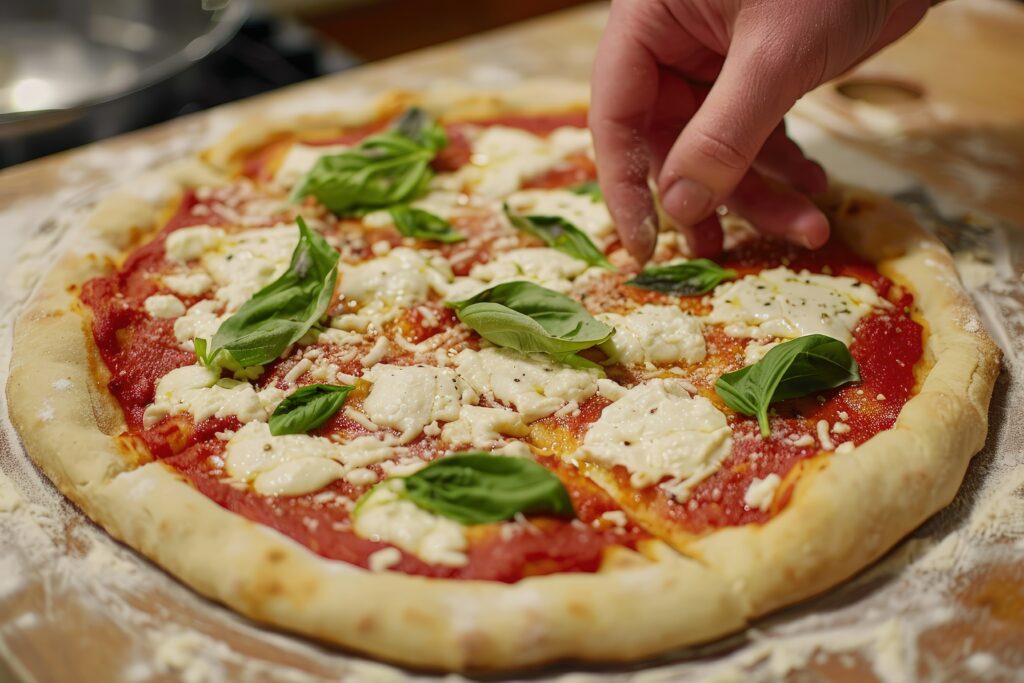
Fresh herbs are a simple yet transformative addition to both pizza and pasta. Basil, oregano, and parsley are staples that bring a burst of freshness and aromatic complexity to your dishes. Sprinkle fresh basil leaves on your pizza after it comes out of the oven to preserve their flavor and aroma. For pasta, adding chopped parsley or a few leaves of fresh oregano can brighten the dish and provide a finishing touch that enhances the presentation and taste.
7. Experiment with Cheese
While mozzarella is a pizza classic, experimenting with other cheeses can create unique flavor profiles. Ricotta, Parmesan, pecorino, or tangy blue cheese can add depth and character to your pizza. For pasta, incorporating cheeses like Pecorino Romano or Parmigiano Reggiano elevates the dish with their nutty, salty richness. Grate these cheeses fresh, as pre-packaged versions often lack the vibrant flavors and textures needed for professional results.
8. Master the Art of Timing
In professional cooking, timing is everything. Pasta must be cooked al dente to retain its structure and absorb the sauce effectively. The crust should be golden and crispy for pizza while the cheese is perfectly melted—not overcooked. Monitor your dish throughout the process, making adjustments as needed. A few seconds too long can overcook the pasta or burn a pizza crust, so practice precise timing to achieve the best results consistently.
9. Learn Classic Pairings
Understanding classic Italian flavor pairings can elevate your creations to new heights. A Margherita pizza with fresh tomato, basil, and mozzarella pairs beautifully with a crisp green salad. In pasta, dishes like creamy Alfredo are complemented by garlic bread or a light Chardonnay. Exploring these traditional pairings enhances the dining experience by creating a harmonious balance between flavors and textures.
10. Invest in the Right Equipment
Professional results often rely on professional tools. A pizza stone ensures a crisp crust by distributing heat evenly. A pasta roller simplifies the process of creating smooth, consistent sheets of dough. Sharp knives, a digital kitchen scale, and a stand mixer are other invaluable tools for precision and efficiency. These investments will make your work easier and ensure that every dish looks and tastes impeccable.
Conclusion
By following these essential tips and techniques, you’ll be well on your way to crafting the best pizza and pasta that will tantalize your taste buds and impress your guests. Remember, the key to culinary success is quality ingredients, precise techniques, and a passion for flavor. With each dish, you’ll gain a deeper appreciation for the art of pizza and pasta, and your culinary journey will be all the more rewarding.
Last Updated on December 5, 2024 by Carleen