The Art of Pairing: Finding the Perfect Wine and Food Combinations
Are you a food lover looking to take your dining experience to the next level? If so, you may want to explore the art of pairing wine and food. Pairing wine with food can be a fun and rewarding experience, creating a perfect harmony of flavors on your palate.
In this article, we will introduce you to the basics of pairing wine and food. We’ll explain how certain flavors in food can complement or contrast with different types of wine, and provide general guidelines for pairing to get you started. Whether you’re a beginner or a seasoned pro, this article will give you some useful tips to enhance your wine and food pairing skills.
So, grab a glass of your favorite wine and join us on this journey of discovering the perfect wine and food combinations.

The Basics of Pairing Wine and Food
The basic concept of pairing involves finding complementary or contrasting flavors in the wine and the dish to bring out the best in each other. For example, a light, crisp white wine can pair well with seafood or salads, while a bold, full-bodied red can enhance the flavors of a rich steak or hearty pasta dish.
When it comes to pairing wine and food, there are some general guidelines to keep in mind.
- Matching the weight of the wine with the weight of the dish is a good starting point. Lighter wines, such as Sauvignon Blanc or Pinot Grigio, pair well with lighter dishes like seafood, salads, and light pasta dishes. Heavier wines, such as Cabernet Sauvignon or Merlot, can stand up to richer, more complex flavors like red meats, stews, and hearty pasta dishes.
- It’s also important to consider the flavors in both the wine and the dish. Look for complementary or contrasting flavors that will bring out the best in both. For example, a fruity white wine like Riesling can pair well with spicy dishes, while a dry red like Cabernet Sauvignon can balance the richness of a fatty steak.
By keeping these basic guidelines in mind, you can start to experiment with different wine and food pairings and discover your own personal favorites. Don’t be afraid to try new things and see what works for your palate.
Unconventional Pairings: Breaking the Rules
It’s time to think outside the box and try some unconventional pairings that go against traditional wisdom. In this section, we’ll introduce you to some unexpected wine and food combinations that are sure to surprise and delight your palate.
- First up, let’s talk about spicy food. Traditionally, it’s believed that you should pair spicy food with a sweet wine to balance out the heat. But have you ever tried pairing a spicy curry dish with a crisp white wine like Riesling or Sauvignon Blanc? The acidity in the wine can actually help cut through the heat, while the fruitiness can complement the complex flavors of the curry. It’s a surprisingly refreshing pairing that’s worth trying.
- Another unexpected pairing is red wine with fish. Traditionally, it’s believed that white wine is the only acceptable pairing for fish. However, a bold red wine like a Syrah or Cabernet Sauvignon can actually bring out the best in fish dishes with bold flavors like grilled salmon or tuna steak. The richness of the fish can stand up to the tannins in the wine, creating a surprisingly delicious pairing.
- For those with a sweet tooth, you may be surprised to hear that dessert wines like Port can be paired with savory dishes. A bold, fruity Port pairs surprisingly well with salty blue cheeses like Roquefort or Gorgonzola. The sweetness of the wine can balance out the saltiness of the cheese, creating a surprisingly harmonious pairing.
- And what about dessert? Chocolate might be a good option because the tannins in the wine can actually enhance the chocolate flavors, creating a decadent and indulgent pairing.
When it comes to wine and food pairings, there are no hard and fast rules. It’s all about exploring and experimenting to find what works for your taste buds. So, the next time you’re in the mood for something new and exciting, don’t be afraid to break the rules and try an unconventional pairing. Who knows? You may just discover your new favorite combination.
Pairing on a Budget: Affordable Options

When it comes to pairing wine with food on a budget, it’s all about finding dishes that are flavorful and satisfying without breaking the bank. One great option is pasta dishes – they’re versatile, easy to make, and pair well with a variety of wines.
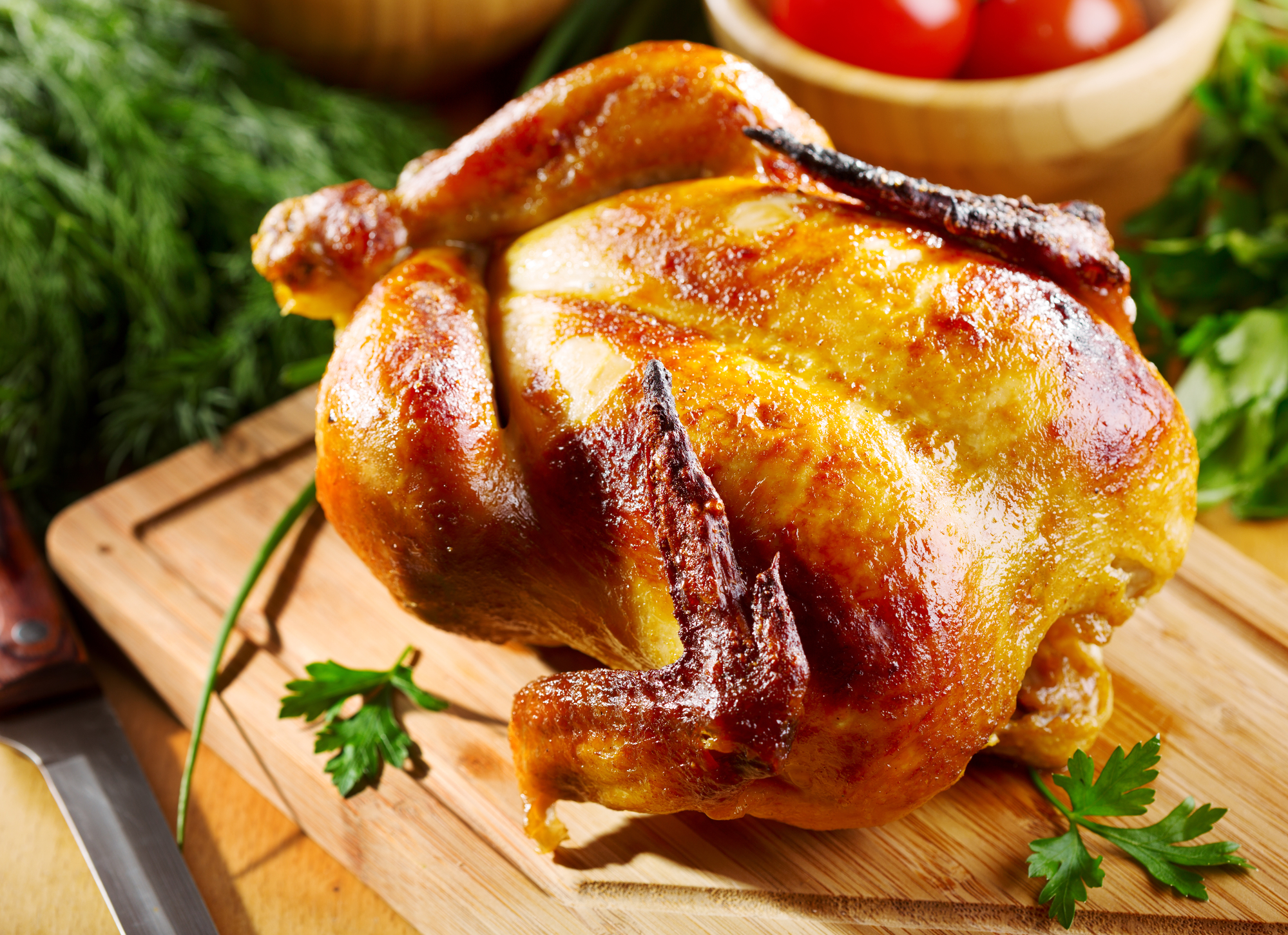
Another affordable option is grilled meats like chicken or pork. These meats can be seasoned with herbs and spices to add flavor, and they pair well with a variety of wines, including budget-friendly options like Zinfandel or Merlot. For a classic, but affordable dessert, you might consider making coconut rice. You can find that recipe here: https://mahatmarice.com/recipes/easy-coconut-rice/
Finally, don’t forget about the power of a good cheese and wine pairing. A simple plate of cheese and crackers can be a budget-friendly yet delicious snack, especially when paired with an affordable yet flavorful wine like Malbec or Tempranillo.
Remember, you don’t have to spend a lot of money to enjoy a great wine and food pairing. With a little creativity and some budget-friendly options, you can still savor the flavors and aromas of a perfectly matched meal.
Beyond the Basics: Advanced Pairing Techniques
If you’ve mastered the basics of wine and food pairing and are ready to take your skills to the next level, this section is for you. Here are some advanced pairing techniques to consider:
- Consider the acidity and tannin levels of the wine. When pairing wine with food, it’s not just about matching flavors. The acidity and tannin levels of the wine can also have a significant impact on how it pairs with certain dishes.
- Experiment with unusual flavor pairings. Don’t be afraid to try pairing seemingly disparate flavors together. Think about the texture and weight of the wine. A full-bodied red wine can overwhelm a delicate dish, while a light-bodied white might get lost in a heavy, flavorful meal. Consider the weight and texture of the wine and how it will interact with the food you’re serving.
- Pair wines with multiple courses. If you’re serving a multi-course meal, think about how the wine will pair with each course. You can also experiment with pairing different wines with different dishes throughout the meal.
- Consider the overall dining experience. Wine and food pairing is about more than just matching flavors – it’s about creating a cohesive dining experience. Consider the ambiance, music, and lighting of the room, as well as the presentation of the food and wine. All of these factors can impact how the pairing is perceived by your guests.
By understanding the basics of pairing, exploring unconventional options, finding affordable options and mastering advanced techniques, you can create a memorable dining experience for yourself and your guests.
Remember, there are no hard and fast rules when it comes to pairing wine and food – it’s all about finding what works best for your palate and experimenting with new flavors and combinations. So, whether you’re hosting a dinner party or simply enjoying a meal at home, take the time to explore the art of pairing and discover the perfect wine and food combinations that will tantalize your taste buds.
Last Updated on May 31, 2023 by Carleen