The Cultural Significance of Food: Understanding the Symbolism Behind Different Dishes and Ingredients
Food is an essential part of our daily lives, but it is so much more than just sustenance. Food has a unique ability to bring people together and connect them to their cultural roots. Every dish, every ingredient, every flavor tells a story about the people who created it and the traditions they come from.
In this article, we will delve into the cultural significance of food and explore the symbolism behind different dishes and ingredients. We will take a journey around the world, discovering how food is used to reflect cultural identity, express religious and spiritual beliefs, bring people together in social settings, and even wield power.
From the humblest street food to the most extravagant feasts, every bite tells a story. Join us on this journey of culinary discovery as we explore the rich cultural tapestry of the world’s cuisines.
Food as a Symbol of Identity
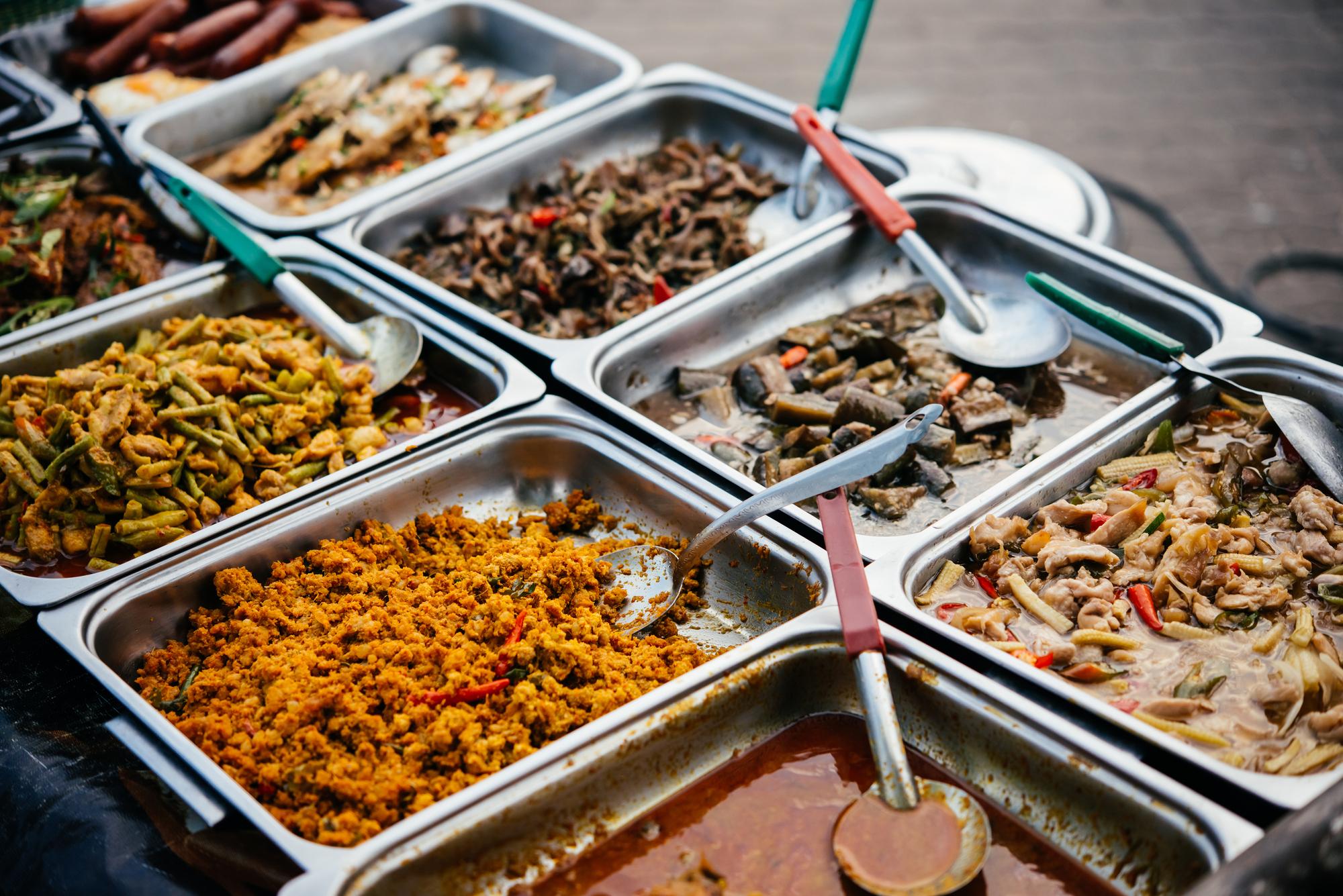
Food has always been an essential part of cultural identity, a reflection of the customs, beliefs, and traditions of a particular community. From the spicy curries of India to the savory stews of Mexico, every dish embodies the unique history and heritage of its people.
In many cultures, specific dishes have become emblematic of certain regions or countries, symbolizing the very essence of their identity. For example, sushi represents the simplicity, elegance, and precision of Japanese culture, while the hearty and filling shepherd’s pie is a classic example of British comfort food.
But food is more than just a symbol of identity – it is also a means of preserving cultural traditions and passing them down to future generations. Through food, families and communities connect with their past, share stories and memories, and celebrate their heritage.
Grandmothers and mothers pass down their secret recipes and cooking techniques to their children and grandchildren, ensuring that the flavors and aromas of their cultural heritage are never lost. And as new generations adapt these dishes to their own tastes and lifestyles, the evolution of these traditions continues.
In this way, food becomes a bridge between the past and the present, a way of honoring the rich cultural legacies that have shaped us, and a means of celebrating our shared humanity.
Religious and Spiritual Significance of Food
Food has been a crucial element in religious and spiritual practices across cultures for centuries. From fasting to feasting, every religious tradition has its unique rituals and practices involving food and drink.
Food is often imbued with symbolic meaning, representing purity, sacrifice, or transcendence. In Hinduism, for example, cows are considered sacred, and many Hindus avoid eating beef as a way of respecting and honoring the sanctity of life. In Judaism, the unleavened bread of Passover symbolizes the haste with which the Israelites fled Egypt, while in Christianity, bread and wine are used to represent the body and blood of Christ in the sacrament of Communion.
Food is also a means of connecting individuals with their faith and community. Many religions have specific dietary restrictions or guidelines, which serve not only to maintain physical health but also to cultivate spiritual discipline and awareness. In Islam, for example, the month-long fast of Ramadan is seen as a time of spiritual reflection and purification, as well as a way of showing solidarity with the less fortunate.
This also plays an essential role in bringing communities together. Shared meals and feasts are a way of celebrating religious holidays and festivals and strengthening the bonds of faith and fellowship. In many cultures, hospitality and generosity are valued virtues, and offering food to guests is a way of showing respect and honor.
Through food, religious and spiritual traditions offer us a window into the deepest aspects of the human experience, revealing the ways in which our physical and spiritual selves are intertwined.
Social Significance of Food
Food not only reflects cultural identity and religious beliefs but also plays a vital role in social settings and gatherings. From weddings to funerals, birthdays to holidays, food is an integral part of every celebration and event.
Certain dishes and ingredients hold significant meaning in social contexts. In the United States, for example, Thanksgiving is traditionally associated with turkey, cranberry sauce, and pumpkin pie, while in China, dumplings are often eaten during the Lunar New Year for good luck and prosperity.
Food can also bring people together or create social barriers. Shared meals and culinary experiences can help to bridge cultural divides, forge new friendships, and promote understanding between different communities. Conversely, food taboos and restrictions can create barriers between people and contribute to feelings of alienation or exclusion.
In many cultures, food is also closely tied to hospitality and generosity. Offering food to guests is a way of showing respect and honor, and sharing meals with friends and family is a way of nurturing relationships and strengthening social bonds. Here’s something you could try next time you welcome dinner guests: riceselect.com/product/riceselect-pearl-couscous.
But food can also be a source of conflict and tension, particularly in times of scarcity or economic hardship. In some communities, access to food may be limited by factors such as poverty, geography, or discrimination, leading to social and economic inequalities.
Food, therefore, is not only a matter of sustenance but also a complex social and cultural phenomenon, reflecting the values, beliefs, and priorities of different communities and shaping the ways in which we interact with one another.
Food and Power
In many cultures, certain foods and dishes are associated with power and prestige. In medieval Europe, for example, the consumption of exotic spices, such as saffron and cinnamon, was a sign of wealth and sophistication, while in ancient Rome, the consumption of rare and exotic foods, such as peacock and ostrich, was reserved for the wealthy elite.
Food can also be used as a tool of oppression or empowerment. In times of famine or war, access to food may be used as a means of control or coercion, with those in power controlling the distribution of food and using it to manipulate the masses. Conversely, food can also be used as a means of empowerment, with communities coming together to share resources and create more equitable systems of distribution.
The relationship between food and power is not limited to the distribution of food but also extends to the production and marketing of food. Large agribusinesses and food corporations often hold significant power and influence over the food system, with the ability to shape the production, distribution, and consumption of food on a global scale.
Food, therefore, is not just a matter of personal preference or taste but is deeply intertwined with issues of power, privilege, and access. Understanding the complex relationship between food and power is essential to creating more equitable and sustainable food systems in the future.
Ultimately, the cultural significance of food reminds us of the importance of embracing diversity and learning from one another. Recognizing and celebrating the unique foods and culinary traditions of different cultures help us build stronger communities and foster a greater sense of understanding and respect for one another.
This website uses cookies to improve your experience. Please accept for optimal usages of the site. AcceptRead More
Privacy & Cookies Policy
Privacy Overview
This website uses cookies to improve your experience while you navigate through the website. Out of these, the cookies that are categorized as necessary are stored on your browser as they are essential for the working of basic functionalities of the website. We also use third-party cookies that help us analyze and understand how you use this website. These cookies will be stored in your browser only with your consent. You also have the option to opt-out of these cookies. But opting out of some of these cookies may affect your browsing experience.
Necessary cookies are absolutely essential for the website to function properly. This category only includes cookies that ensures basic functionalities and security features of the website. These cookies do not store any personal information.
Any cookies that may not be particularly necessary for the website to function and is used specifically to collect user personal data via analytics, ads, other embedded contents are termed as non-necessary cookies. It is mandatory to procure user consent prior to running these cookies on your website.






![[VIDEO] How to Make the Perfect Ice Cream Sandwich](https://www.recipemash.com/wp-content/uploads/2013/04/perfecticecreamsandwich.jpg)

