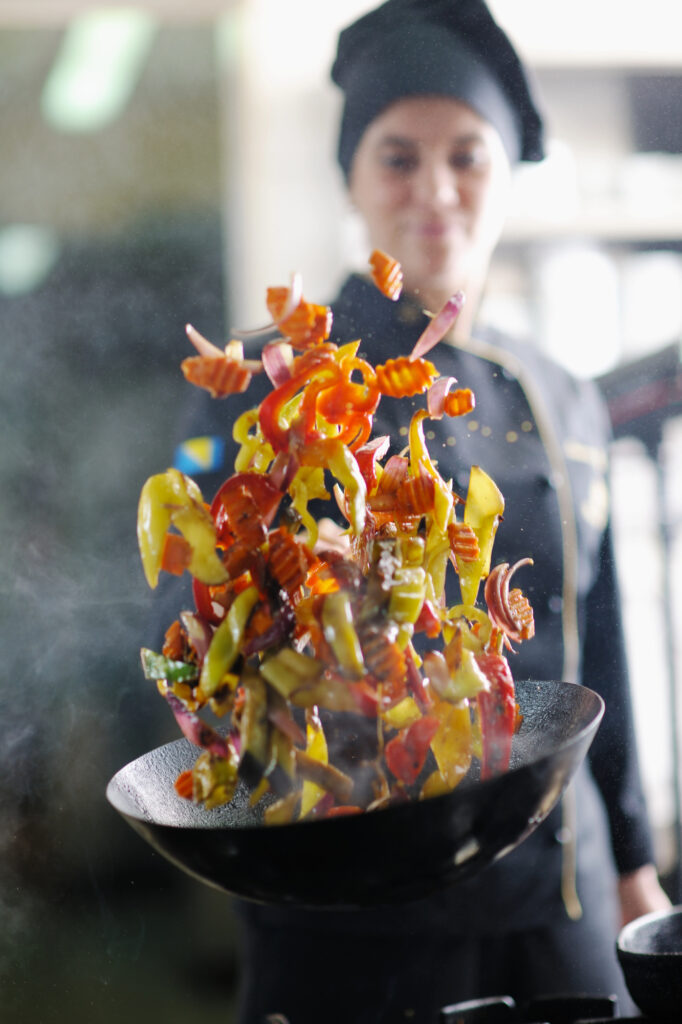
Asia, long celebrated for its rich culinary heritage, has evolved dramatically in recent decades, emerging as a powerhouse in the world of fine dining. Once the domain of European capitals, fine dining today thrives across Asia’s diverse cities—from the rooftops of Bangkok to the elegant dining salons of Tokyo and the intimate tasting rooms of Ubud. The question is no longer “Is there fine dining in Asia?” but rather, “Where will your next unforgettable meal be?”
A Changing Food Landscape
Traditionally, fine dining conjured images of white-gloved service in Paris, aged Bordeaux in Florence, or avant-garde dishes in Barcelona. Asian cuisine, while globally beloved, was often viewed through the lens of street food, family-style dining, or regional home cooking. But in the last 20 years, Asia has redefined the rules.
A new generation of chefs, both local and internationally trained, are blending ancient cooking traditions with modern techniques, creating dining experiences that are not only luxurious but also deeply rooted in cultural authenticity. As a result,Asia is now home to some of the world’s most prestigious restaurants, many of which are featured in the Michelin Guide, World’s 50 Best Restaurants list, and La Liste.
Michelin Stars Across Asia
One of the clearest indicators of fine dining’s presence and progress in Asia is theMichelin Guide’s expansion across the continent. Cities like Tokyo, Hong Kong, Bangkok, Singapore, Seoul, and Taipei all have Michelin-rated restaurants.
Tokyo: The Fine Dining Capital of the World
Tokyo holds the distinction of being the city with the highest number of Michelin-starred restaurants globally. With over 200 Michelin-starred venues, Tokyo proves that fine dining can exist on any scale—from tiny 6-seat sushi counters like Sukiyabashi Jiro to the innovative kaiseki artistry of Narisawa. The city’s reverence for seasonality, perfection in technique, and quiet elegance make it a magnet for gourmands worldwide.
Singapore: Where Innovation Meets Luxury
Singapore offers a vibrant fusion of East and West, with fine dining restaurants like Odette, a three-Michelin-starred French restaurant set within the National Gallery, and Burnt Ends, a modern Australian grill. Singapore’s government actively supports culinary tourism, contributing to its standing as a fine dining destination.
Hong Kong and Macau: The Crossroads of Cultures
Hong Kong’s dining scene is a dynamic blend of Cantonese traditions and international flair. Establishments like Lung King Heen, the first Chinese restaurant in the world to receive three Michelin stars, and Amber, known for its contemporary French cuisine, elevate the city’s dining status. Nearby Macau, with its luxury resorts and world-class chefs, offers equally stellar experiences.
Asia’s Culinary Philosophy: Luxury with Soul
What makes fine dining in Asia unique is its philosophical approach. Unlike the often rigid structure of Western haute cuisine, Asian fine dining emphasizes balance, harmony, and storytelling.
In Japan, for instance, the concept of omotenashi (wholehearted hospitality) is central to the experience. Dishes are served as expressions of respect for the diner, with attention paid not just to flavor but to presentation, pacing, and setting. In Thailand, meals are structured around shared plates that balance sweet, sour, salty, and spicy, even in luxury restaurants like Sühring, which brings a European fine dining format into a Thai context.
A Regional Exploration of Fine Dining Hotspots
Bali, Indonesia: Romance and Refinement in the Tropics
Bali may be best known for beaches and bohemian escapes, but it’s also quietly become a fine dining haven.Apéritif Restaurant in Ubud stands out with its fine dining, eight-course degustation menus, and award-winning cuisine. Combining Balinese ingredients with European technique, Executive Chef Nic Vanderbeeken has helped place Bali on the culinary map.
Bangkok, Thailand: From Street Food to Michelin Stars
Bangkok’s transition from street food paradise to fine dining capital is led by chefs like Gaggan Anand (formerly of Gaggan) and the Sühring twins. Le Du, now ranked among Asia’s best, uses Thai ingredients in inventive, refined dishes. The city’s mix of experimental gastronomy and deeply rooted culinary traditions makes it an exciting scene to watch.
Seoul, South Korea: Minimalism Meets Innovation
Korea’s fine dining restaurants often highlight the country’s rich fermentation culture and precision techniques. Joo Ok, Mingles, and La Yeon are modern examples of how Korean cuisine has been elevated to fine dining without losing its soul. Expect dishes like aged soy sauce-marinated crabs served with caviar or delicate hanwoo (Korean beef) in minimalist, zen-like settings.
Kuala Lumpur, Malaysia: Multicultural Expression on a Plate
Malaysia’s fine dining evolution is a relatively new phenomenon, but it’s growing fast. Restaurants like Dewakan, which celebrates local produce and indigenous culinary techniques, offer Malaysian fine dining that feels both progressive and rooted. The diversity of Chinese, Malay, and Indian influences makes for one of Asia’s most layered gourmet scenes.
Dubai and Abu Dhabi: Asian Cuisine in Global Luxury
Though located in the Middle East, the UAE has a growing number of fine dining restaurants helmed by Asian chefs. From Nobu in Atlantis The Palm to Hakkasan and Zuma, Asian fine dining thrives in the UAE’s luxury-driven hospitality ecosystem. Local diners and tourists alike seek out high-end Japanese omakase and contemporary Chinese fine dining.
The Rise of the Asian Chef
In years past, many of Asia’s top fine dining restaurants were run by European chefs. Today, that narrative has shifted. Homegrown talent is leading the charge—innovative chefs trained at Le Cordon Bleu, the Culinary Institute of America, or Tokyo’s Tsujicho School are returning to their roots to reinterpret their native cuisines with sophistication.
Names like André Chiang (Singapore/Taiwan), Bee Satongun (Paste, Bangkok), Natsuko Shoji (été, Tokyo), and Darren Teoh (Dewakan, Malaysia) are becoming symbols of the new Asian culinary era—where authenticity meets audacity.
Luxury Service, Asian Hospitality
While fine dining typically includes precision service, wine pairings, tasting menus, and intimate atmospheres, what sets Asia apart is its hospitality. Whether you’re greeted with a Thai wai, a Japanese bow, or a Balinese smile, service in Asian fine dining feels personal and humble. This cultural ethos elevates the experience beyond just food.
Luxury hotels throughout the region—Aman Tokyo, Viceroy Bali, The Peninsula Hong Kong—also play host to exceptional dining experiences, often blurring the lines between accommodation and gastronomy.
Beyond Restaurants: Fine Dining Experiences
In Asia, fine dining doesn’t have to occur within the confines of a white-tablecloth restaurant. It might be a private dinner served aboard a luxury yacht off the coast of Komodo. Or an exclusive chef’s table experience at a family-owned ryokan in Kyoto. Even temple cuisine (shōjin ryōri) prepared by monks in South Korea can meet the spiritual and sensory standards of haute cuisine.
Conclusion: The Answer is a Resounding Yes
So—is there fine dining in Asia? Absolutely.
More than just existing, it flourishes here. From Bangkok’s spice-driven modern tasting menus to Tokyo’s minimalist sushi sanctuaries, Asia’s fine dining scene is not only keeping pace with the West—it’s often setting the pace.
Asia has proven that fine dining is not defined by geography, but by imagination, dedication, and the power to transform a meal into an experience. And if you haven’t tasted it yet, you’re missing one of the most exciting chapters in the story of global cuisine.
This website uses cookies to improve your experience. Please accept for optimal usages of the site. AcceptRead More
Privacy & Cookies Policy
Privacy Overview
This website uses cookies to improve your experience while you navigate through the website. Out of these, the cookies that are categorized as necessary are stored on your browser as they are essential for the working of basic functionalities of the website. We also use third-party cookies that help us analyze and understand how you use this website. These cookies will be stored in your browser only with your consent. You also have the option to opt-out of these cookies. But opting out of some of these cookies may affect your browsing experience.
Necessary cookies are absolutely essential for the website to function properly. This category only includes cookies that ensures basic functionalities and security features of the website. These cookies do not store any personal information.
Any cookies that may not be particularly necessary for the website to function and is used specifically to collect user personal data via analytics, ads, other embedded contents are termed as non-necessary cookies. It is mandatory to procure user consent prior to running these cookies on your website.