
Bulgogi Around the World: International Twists on the Korean Classic
Korean cuisine has become increasingly popular around the world in recent years, thanks to its bold flavors and unique ingredients. One of the most well-known Korean dishes is bulgogi, which is thinly sliced marinated beef that is typically grilled or stir-fried. This dish has gained a reputation as a Korean classic that is enjoyed both in Korea and abroad.
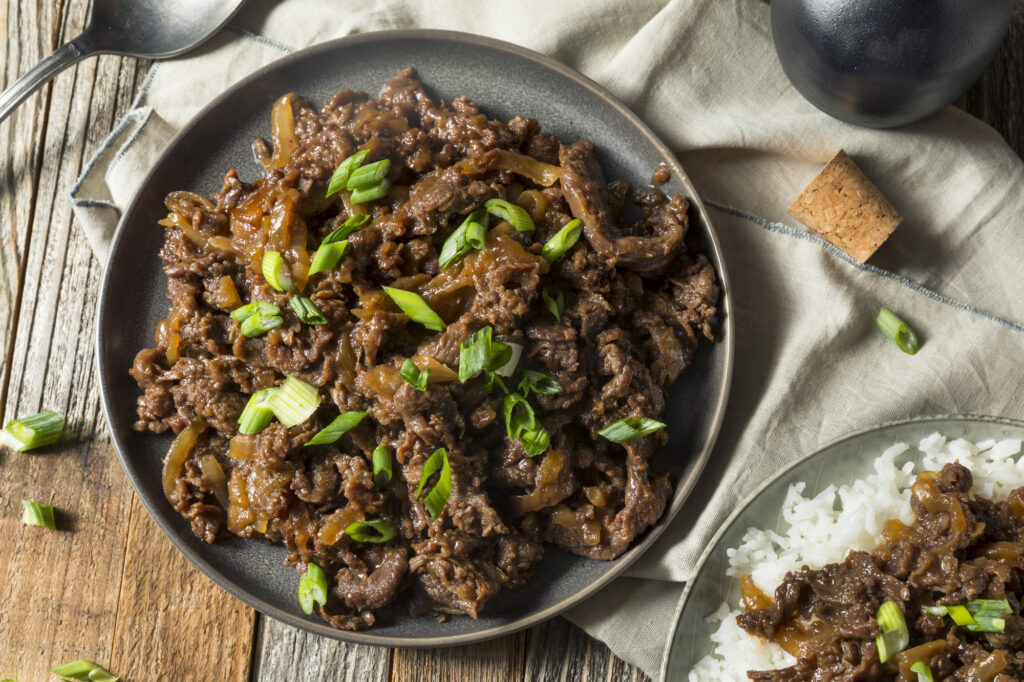
However, with the rise of fusion cuisine and the growing interest in international flavors, chefs around the world have been experimenting with bulgogi, putting their own spin on this traditional dish. From the addition of new ingredients and spices to creative cooking methods, the possibilities for bulgogi are endless.
In this article, we will explore the world of bulgogi and its various interpretations from around the globe. Whether you’re a fan of traditional Korean bulgogi or looking to try something new, you’ll find plenty of inspiration and ideas here. Korea is much more than white rice (get a package here: https://carolinarice.com/products/white-rice/), as many so, join us as we take a tour of the international twists on this beloved Korean classic.
Traditional Korean Bulgogi
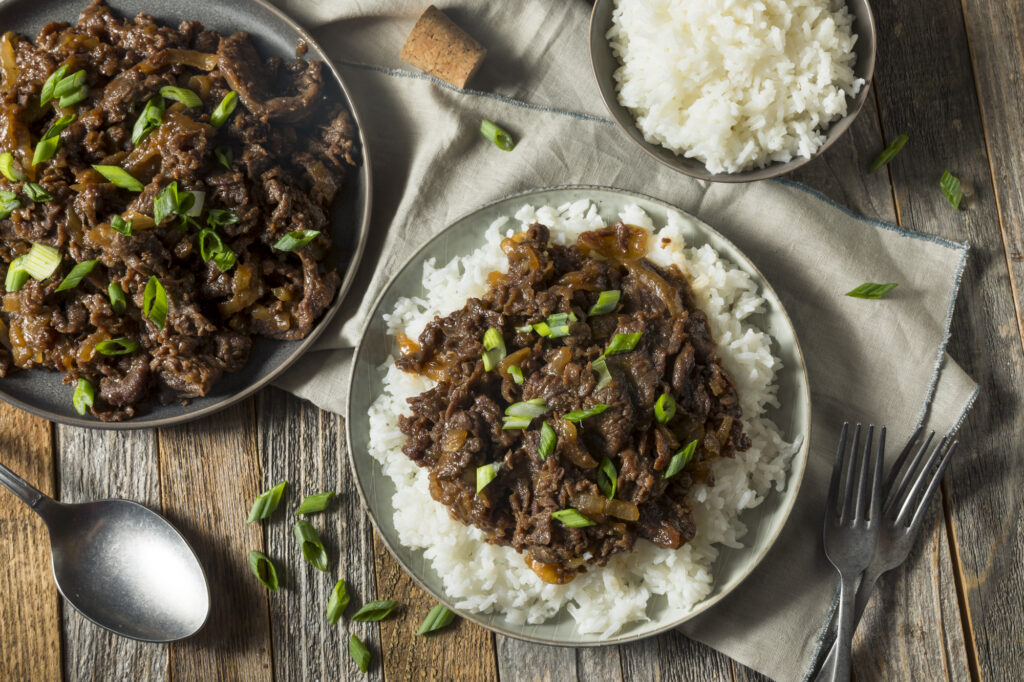
Bulgogi, which translates to “fire meat,” is a classic Korean dish that has been enjoyed for centuries. It is typically made by marinating thin slices of beef in a mixture of soy sauce, sugar, sesame oil, garlic, and other ingredients, and then grilling or sautéing until tender and flavorful.
To prepare traditional Korean bulgogi, use the following recipe:
Bulgogi Around the World: International Twists on the Korean Classic
Ingredients
- 1 pound of thinly sliced beef (sirloin or ribeye)
- 1/2 cup of soy sauce
- 1/4 cup of sugar
- 3 tablespoons of sesame oil
- 3 cloves of garlic, minced
- 1 tablespoon of grated ginger
- 1/2 teaspoon of black pepper
- 1/2 onion, thinly sliced
- 2 green onions, thinly sliced
- 1 tablespoon of sesame seeds
Instructions
- In a large bowl, mix together the soy sauce, sugar, sesame oil, garlic, ginger, and black pepper.
- Add the sliced beef to the marinade, and mix until each slice is coated with the sauce. Cover the bowl with plastic wrap and refrigerate for at least 30 minutes, or up to overnight.
- Heat a large skillet or grill pan over medium-high heat. Once hot, add the sliced onion and green onion, and sauté until the onion is translucent and the green onion is wilted.
- Add the marinated beef to the skillet, and cook for about 5-7 minutes, or until the beef is cooked through and caramelized. Sprinkle with sesame seeds and serve with steamed rice and a side of vegetables.
Enjoy the authentic and delicious flavors of traditional Korean bulgogi in the comfort of your own home!

Japanese Bulgogi: Yakiniku
Bulgogi’s popularity has traveled far beyond the Korean peninsula, with different countries and regions putting their own spin on this classic dish. One such country is Japan, where bulgogi has been adapted into yakiniku.
Yakiniku translates to “grilled meat” in Japanese, and refers to a style of cooking where diners grill small pieces of meat, vegetables, and other ingredients at the table on a charcoal or gas grill. Yakiniku-style bulgogi is typically made with thinly sliced beef, which is marinated in a sauce similar to Korean bulgogi sauce before being grilled.
While Korean bulgogi is typically made with soy sauce, sugar, garlic, and sesame oil, yakiniku sauce often contains additional ingredients such as sake, mirin, and grated apple to add depth of flavor. The beef is typically sliced even thinner than in Korean bulgogi, which allows it to cook quickly on the grill.
To make yakiniku-style bulgogi, start by slicing thinly beef sirloin, flank steak, or rib eye. Make the marinade by combining soy sauce, mirin, sake, sugar, grated apple, garlic, and sesame oil in a bowl. Add the sliced beef to the marinade, cover, and refrigerate for at least an hour, or up to overnight.
When ready to cook, preheat the grill to medium-high heat. Drain the excess marinade from the beef and discard. Grill the beef for 1-2 minutes on each side, or until cooked through. Serve with rice, lettuce leaves, and dipping sauce.
Try this Japanese twist on bulgogi for a unique and flavorful meal that’s sure to impress.
Mexican Bulgogi: Tacos al Pastor
Tacos al pastor is a popular Mexican street food that is often compared to Korean bulgogi due to its similar cooking method and use of marinated meat. However, instead of using Korean flavors, the Mexican version features a unique blend of spices and ingredients, resulting in a delicious fusion of Mexican and Korean cuisine.
To make bulgogi tacos al pastor, you will need thinly sliced pork shoulder, pineapple, achiote paste, garlic, chili powder, and other spices. The pork is marinated in the spice mixture overnight and then grilled or roasted until tender and juicy. The pineapple is also grilled or roasted, adding a sweet and tangy flavor to the meat.
To serve, the meat is typically wrapped in a tortilla and topped with chopped onions, cilantro, and a squeeze of lime juice. Some people also like to add avocado or salsa for extra flavor and texture.
If you’re looking for a delicious and easy way to put a Mexican twist on traditional bulgogi, try making tacos al pastor at home. The combination of spicy, savory, and sweet flavors is sure to be a hit with your family and friends.
American Bulgogi: Philly Cheesesteak
The Philly cheesesteak is a beloved American classic, and now, it’s getting a Korean twist with bulgogi. This fusion dish is sure to satisfy any craving for bold flavors and hearty comfort food.
To make bulgogi Philly cheesesteak sandwiches, start by marinating thinly sliced beef in a mixture of soy sauce, brown sugar, sesame oil, garlic, and ginger for at least 30 minutes. Cook the beef in a hot skillet until browned and slightly charred, then sauté onions and green bell peppers until tender.
To assemble the sandwiches, layer the beef and vegetables on a toasted hoagie roll, then top with provolone cheese and broil until melted and bubbly. Add a dollop of gochujang mayo for an extra kick of flavor.
This Korean-American mashup is the perfect dish for a quick weeknight dinner or a fun twist on game day eats. Your taste buds will thank you for the explosion of flavors in every bite.
Fusion Bulgogi: Korean-Mexican Burrito Bowl
As the world becomes increasingly interconnected, the food we eat reflects that globalization. The fusion of cuisines has become a popular trend, and Korean-Mexican fusion is no exception. Introduce the Korean-Mexican burrito bowl, a perfect example of the melding of two distinct cuisines.
This dish is a flavorful and filling meal that combines the bold flavors of Korean bulgogi with the fresh ingredients of a Mexican burrito bowl. The dish is typically served with rice, beans, salsa, and avocado, making it a hearty and satisfying meal.
To create this dish, thinly sliced beef is marinated in a blend of soy sauce, sugar, garlic, and ginger. The beef is then grilled or stir-fried to achieve a caramelized exterior and a tender, juicy interior. The cooked beef is then served on a bed of rice, beans, and other toppings.
The final product is a beautiful, colorful bowl that is as delicious as it is satisfying. The spicy-sweet flavors of the bulgogi complement the fresh ingredients of the burrito bowl, creating a flavor explosion in every bite.
To make your own Korean-Mexican burrito bowl, start by marinating thinly sliced beef in a mixture of soy sauce, sugar, garlic, and ginger for at least 30 minutes. Cook the beef in a skillet or on a grill until browned and cooked through. Then, assemble your burrito bowl with rice, beans, salsa, avocado, and any other toppings you desire. Top the bowl with the bulgogi beef and enjoy!
Last Updated on April 21, 2023 by Carleen


