
What is Loose Leaf Tea and How do you Brew it
Ever wonder why tea lovers swear by loose leaf over tea bags? It’s all about flavor, aroma, and quality.
Loose leaf tea uses larger, unbroken leaves that maintain their natural oils and full flavors.
These oils contain volatile compounds responsible for complex flavors-think floral, fruity, or earthy undertones that shift subtly with each sip.
In contrast, tea bags often contain smaller particles known as dust or fannings (source)—leftovers from the tea production process—that oxidize more rapidly, losing much of their essential qualities.
When you brew with whole leaves, you experience a rich, nuanced cup that’s a world apart from the blandness of mass-produced bags.
For example, a well-prepared first-flush Darjeeling bursts with muscatel notes and hints of apricot, whereas its bagged counterpart might taste flat or overly tannic.
Think of it like fresh-baked bread compared to a week-old slice from the supermarket. Fresh tea, like fresh bread, is a sensory experience. You can smell, taste, and even feel the difference as it brews. The surface area of whole leaves also promotes a gradual infusion, balancing astringency and sweetness perfectly—something tea bags often fail to achieve.
To illustrate further, high-quality loose-leaf teas can contain up to 70-100 different aromatic compounds, many of which degrade when exposed to air for prolonged periods (source)—a common issue in bagged teas.
Key takeaway: Quality loose leaf tea delivers a depth of flavor and aroma unmatched by typical tea bags, revealing complex taste profiles sip after sip.
How Can You Identify and Select High-Quality Tea?
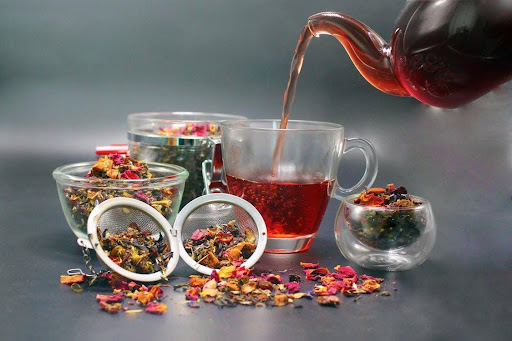
The quality of loose-leaf tea is determined by several factors, each of which plays a role in both taste and aroma. If you want the best cup, it helps to know what to look for:
- Leaf Appearance: High-quality teas have whole, unbroken leaves. Avoid teas with too many crumbs or dust, as these degrade quickly and lose flavor.
- Aroma: Fresh tea should have a vibrant, clear scent. Green teas might smell grassy or sweet, while black teas may have malty or fruity notes.
- Harvest Information: Look for teas harvested during peak seasons, such as first-flush Darjeeling, which boasts superior freshness and complexity.
- Origin: Reputable tea-producing regions like Darjeeling, Assam, and Uji are known for their specialized climates and centuries of expertise.
You’ll ensure success here by selecting teas from a higher-end source (we recommend the Rare Tea Co for high quality loose leaf tea).
When you get your tea, go through the list above and you’ll see what we mean – a quality product is a key place to start.
Key takeaway: Understanding and recognizing quality indicators helps ensure a consistently premium tea experience.
Why Does the Leaf Need Space to Expand?
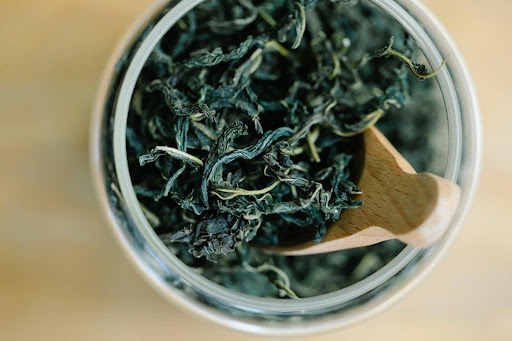
Loose tea isn’t just about what’s inside but how it’s prepared. For the perfect brew, leaves need room to unfurl fully.
When steeped, whole leaves absorb water, expanding and releasing their essential compounds. This full expansion is key to proper extraction, ensuring that both the top notes (floral, citrusy) and base notes (earthy, malty) develop harmoniously.
Confining them to a tight space—like in a small tea bag or an overstuffed infuser—prevents this expansion and leaves your tea underwhelming. Let’s say you’re brewing a delicate jasmine green tea. If the leaves can’t open, the aroma will remain locked inside, and the taste will come across as grassy instead of balanced and floral.
For optimal expansion, aim for an infuser with a capacity of at least 300-500 mL for personal use. This ensures that a standard 2-3 grams of tea leaves can unfurl properly without restriction.
Imagine trying to dance in a broom cupboard; there’s no room to move! Tea leaves trapped in a small space face a similar dilemma.
Give them space, and you unlock their full potential, much like an orchestra given a proper concert hall.
Key takeaway: Loose leaf tea thrives with room to expand, releasing a more robust and aromatic brew. Opt for wide-mouthed brewing vessels or large filters to allow the tea to breathe.
How Do You Choose the Right Tools for Brewing?
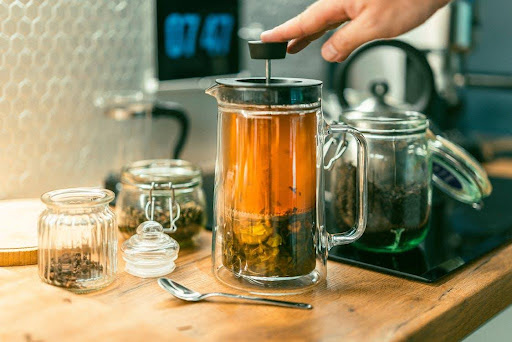
Selecting the right brewing tools can make or break your tea experience. For loose leaf tea, avoid those tiny mesh balls that look practical but smother your leaves. Instead, opt for:
- Large infusers or tea baskets that allow plenty of room for the leaves to spread out and swirl. Choose options with at least 5 cm in diameter for optimal brewing.
- Teapots with built-in strainers for both convenience and aesthetic appeal. Glass teapots, for example, showcase the beauty of tea leaves unfurling and provide a visual cue to steeping progress.
- Reusable cloth or stainless-steel filters for eco-conscious brewing, offering both durability and minimal flavor interference.
For more advanced brewing, tea enthusiasts often swear by gongfu-style brewing. This traditional Chinese method involves using a small teapot or gaiwan (lidded bowl) and steeping tea leaves multiple times with short infusions.
Each infusion highlights different flavor layers, turning the act of brewing into a meditative ritual. For example, an oolong might first reveal orchid-like notes, followed by creamy, roasted undertones in subsequent steeps.
With gongfu brewing, you typically use 6-8 grams of tea for 120-150 mL of water, steeping in bursts of 15-30 seconds.
Pro tip: Experiment with different tools to match your tea variety. Fragile teas like white or green tea shine in glassware, while darker teas benefit from ceramic, which retains heat.
Key takeaway: Use spacious brewing tools to allow for optimal tea leaf expansion and extraction, enhancing flavor complexity.
What’s the Secret to Ideal Water Temperature?
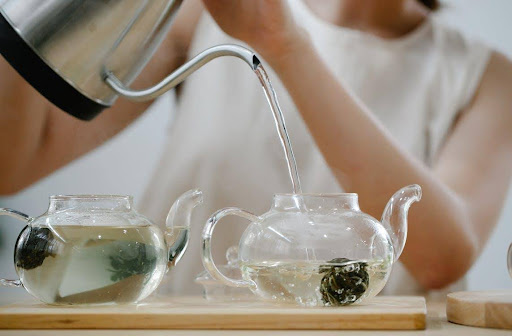
Temperature plays a crucial role in tea brewing. Overheated water can scorch delicate leaves, leading to bitterness. Too cool, and you’ll under-extract flavors, leaving your tea weak and lifeless.
Different types of tea require specific temperatures to strike the right balance. Here’s an expanded guide with additional expert tips:
- Green tea: 70-80°C. For Japanese sencha, stick to the lower end to accentuate sweetness; for Chinese dragon well (longjing), aim slightly higher for a buttery finish.
- White tea: 75-85°C. This gentle range preserves subtle floral and melon-like notes in silver needle or white peony.
- Oolong tea: 85-95°C. Lighter oolongs, like tieguanyin, benefit from lower temperatures to highlight florals, while darker roasted varieties thrive at higher temperatures.
- Black tea: 95-100°C. This range fully extracts robust, malty flavors without losing complexity.
- Herbal infusions: 100°C. Tough botanicals like hibiscus or rooibos need boiling water to release their full profiles.
Maintaining temperature precision can be simplified with electric kettles that have adjustable settings, accurate to within ±1°C.
Key takeaway: Tailoring the water temperature to your tea type prevents bitterness and enhances flavor, creating a consistently delightful cup.
How Long Should You Steep for the Best Flavor?
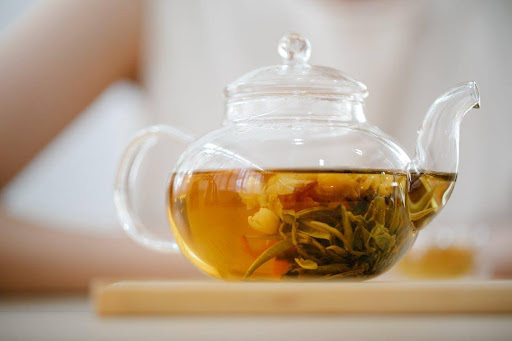
Timing matters as much as temperature. Over steeping can turn even the finest tea into a bitter disaster, while under-steeping yields a weak, watery brew. However, steeping times aren’t rigid; they’re guidelines to refine based on your taste preferences.
Use these expert timeframes as a foundation:
- Green tea: 1-3 minutes. Taste at intervals; longer steeping can enhance sweetness but may introduce astringency.
- White tea: 2-5 minutes. Experiment with multiple steeps to unlock its evolving character.
- Oolong tea: 3-5 minutes. Layered flavors reveal themselves at different steeping stages.
- Black tea: 3-5 minutes. Assam benefits from full-time steeping, while Darjeeling is best monitored for a shorter brew.
- Herbal tea: 5-10 minutes. Tougher herbs like ginger may require longer to fully extract.
As you gain experience, adjust based on water temperature, leaf quantity, and personal taste. An anecdote from my brewing practice: once, I steeped an oolong for too long and discovered overpowering woody notes, but when steeped with shorter times, it developed beautifully nuanced layers.
For consistent results, use a digital timer to avoid over steeping.
Key takeaway: Proper steeping time is essential for achieving a perfect balance of flavors. Experiment to find your ideal timing.
Should You Rinse Your Tea Leaves First?
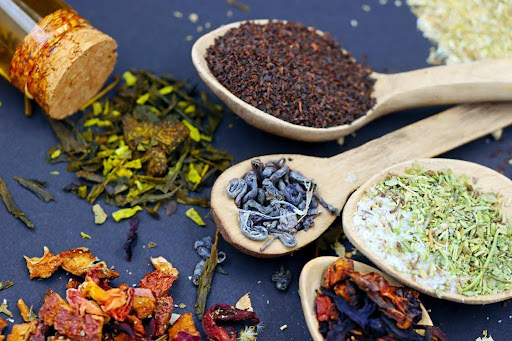
This might sound strange, but rinsing your tea leaves is a common practice, particularly with oolong, puerh, and other aged teas. A quick rinse—about 5 seconds with hot water—serves two purposes: it removes surface dust and activates the leaves by loosening their structure.
For instance, puerh tea’s first rinse can have an earthy, musty aroma that vanishes after discarding the rinse water (source). Subsequent infusions become cleaner and more complex.
In ceremonial contexts, the rinse is called a “wake-up wash” and is considered crucial for compressed cakes of tea.
Key takeaway: A quick rinse can enhance your brew, particularly for earthy or aged teas, by preparing the leaves for optimal extraction.
Can You Brew Loose Leaf Tea More Than Once?
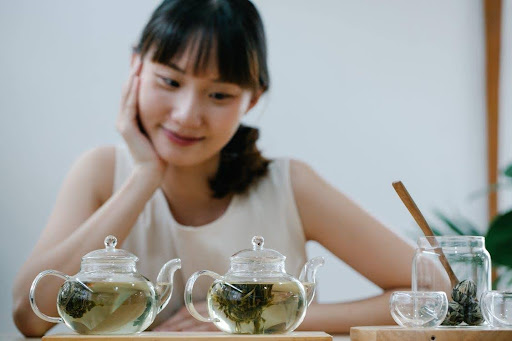
One of the biggest advantages of high-quality loose-leaf tea is its ability to be re-steeped. Many teas, like oolong and puerh, even improve with multiple infusions as their flavors evolve. This is especially true for rock oolongs and sheng puerh, which can yield six to ten brews.
Increase steeping time with each re-brew by 15-30 seconds. For example, a first infusion of oolong might take 3 minutes, but the second can stretch to 3½. Each steep unveils new flavor dimensions—an initial floral hit might deepen into honeyed, roasted sweetness.
Key takeaway: Re-steeping lets you savor new dimensions of flavor, making loose leaf tea both economical and rewarding.
What’s the Best Way to Store Your Tea?
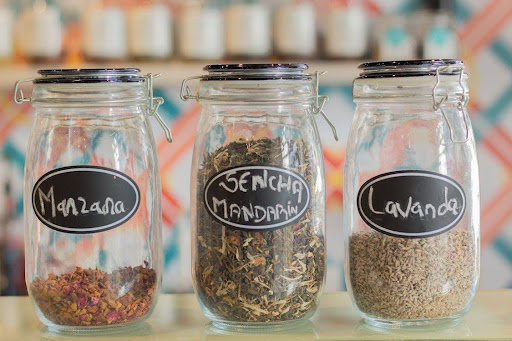
Proper storage preserves the freshness of your tea. Exposure to air, moisture, light, and strong odors can degrade both flavor and aroma. Here’s an expanded guide to optimal storage:
- Airtight containers: Avoid plastic, which can impart odors. Use ceramic or dark-tinted glass jars with tight seals.
- Cool, dry storage: Ideal environments include cabinets away from stoves, sinks, or windows.
- Avoid odors: Tea absorbs ambient aromas, so don’t store it near spices or strong-smelling foods.
Humidity levels should stay below 60% to prevent mold formation (source). Invest in hygrometers if you live in a particularly humid area.
A common mistake is leaving tea in decorative tins with loose lids. I once found a beautifully packaged oolong that had gone stale from improper sealing. Don’t let aesthetics compromise your storage.
Key takeaway: Storing loose leaf tea properly ensures a long-lasting, flavorful experience with each brew.
Why Does Loose Leaf Tea Elevate Your Tea Ritual?
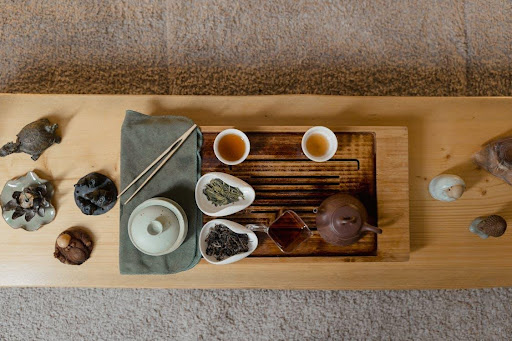
Brewing loose leaf tea isn’t just about the drink; it’s about the process. The act of measuring, steeping, and sipping creates a mindful moment in a busy day. You’re not just making tea; you’re creating an experience.
Consider this: you sit by a window, hands cradling a warm mug. As you take a sip, the world slows down. That’s the magic of loose-leaf tea. Even the ritual of watching leaves unfurl in hot water can become a form of relaxation—a reminder to slow down and savor the moment.
Regularly creating these moments can lead to reduced stress levels, backed by studies suggesting that tea rituals help regulate cortisol (the body’s primary stress hormone).
Key takeaway: Loose leaf tea offers a calming ritual that transforms the simple act of tea drinking into a sensory escape.
Last Updated on February 17, 2025 by Carleen





![[VIDEO] How to Make the Perfect Ice Cream Sandwich](https://www.recipemash.com/wp-content/uploads/2013/04/perfecticecreamsandwich.jpg)


